Project
National SCI Care Strategy
Client
Praxis Spinal Cord Institute
Roles
Branding, Communications Strategy
Graphic Design
National SCI Care Strategy
Client
Praxis Spinal Cord Institute
Roles
Branding, Communications Strategy
Graphic Design
 Spinal cord injury care in Canada—fragmented across provinces, scattered between rural and urban centres, siloed between research and practice, between clinicians and people with lived experience. No shared language. No national vision. Just pockets of excellence that couldn't see each other. The time had come to connect Canada's research, practice, and care sectors with a shared vision.

The Threshold
Praxis Spinal Cord Institute, positioned as a 'networker of networks,' had convened years of consultations. Stakeholders had spoken: researchers, clinicians, patients, caregivers, policymakers, community organizations. What surfaced was a common refrain—"be bold." The time had come to connect Canada's research, practice, and care sectors with a shared vision.
But here was the threshold: how do you translate a co-creation process into real-world change? How do you design for a network that spans from isolated rural communities to major urban research centres, each with radically different access to resources, capacity, and time?
The challenge wasn't just making a strategy document. It was animation—moving the framework from pages into living practice. Making it low-barrier enough that people could actually engage. Making it feel like invitation, not obligation.
The Work
Collaborating with a team of researchers, knowledge translators, people with lived experience, and strategy developers. Regular meetings with the Praxis working groups to understand the vast network they stewarded—clinicians, community champions, regional interest groups, international organizations. Each with different vocabularies, different priorities, different constraints.
The communications approach centered on grassroots storytelling through Learning Circles—knowledge-sharing events that would surface stories of care excellence already happening across Canada. The idea: trusted community champions, people with influence and respect in their regions, sharing what worked so others could adapt it locally.
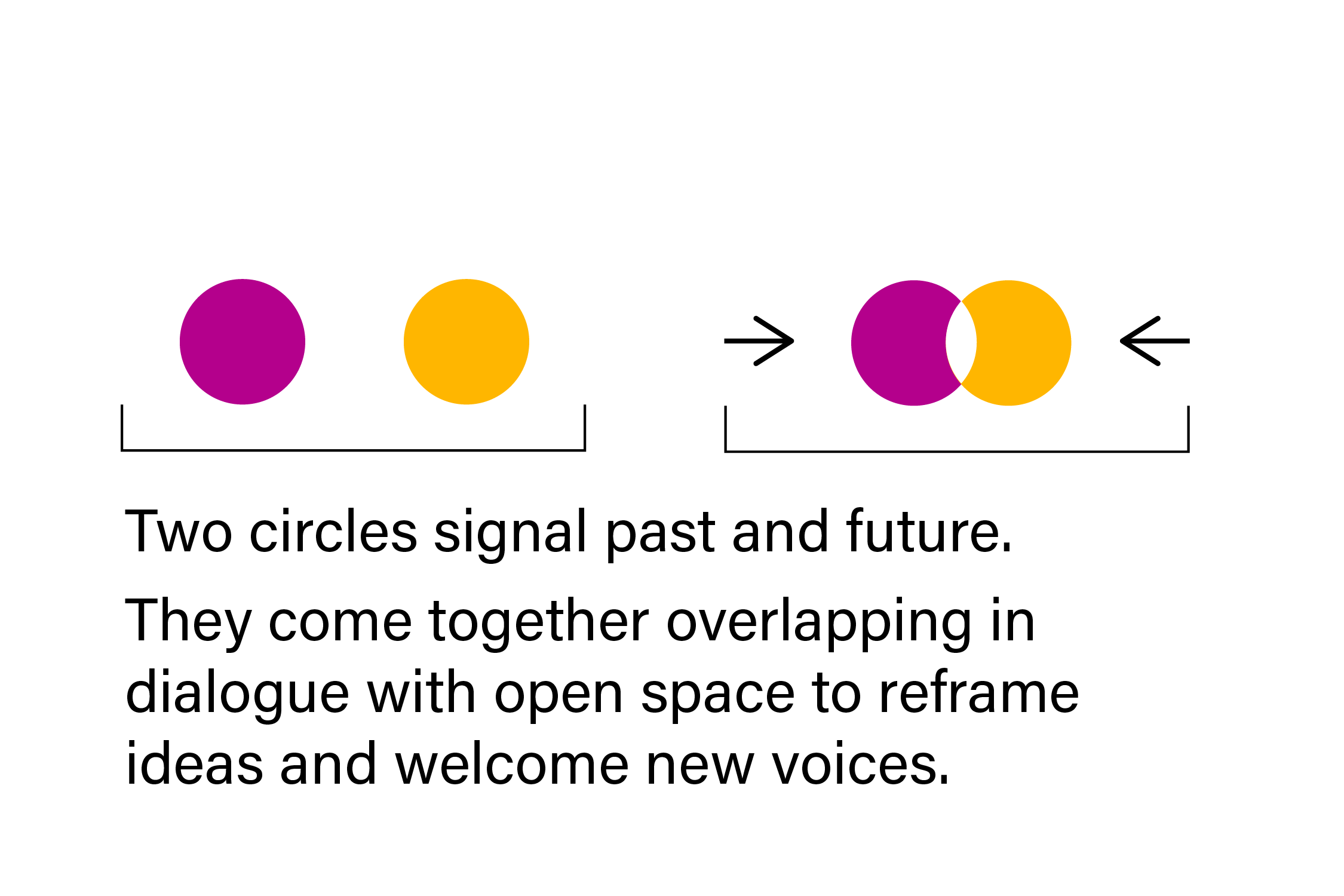
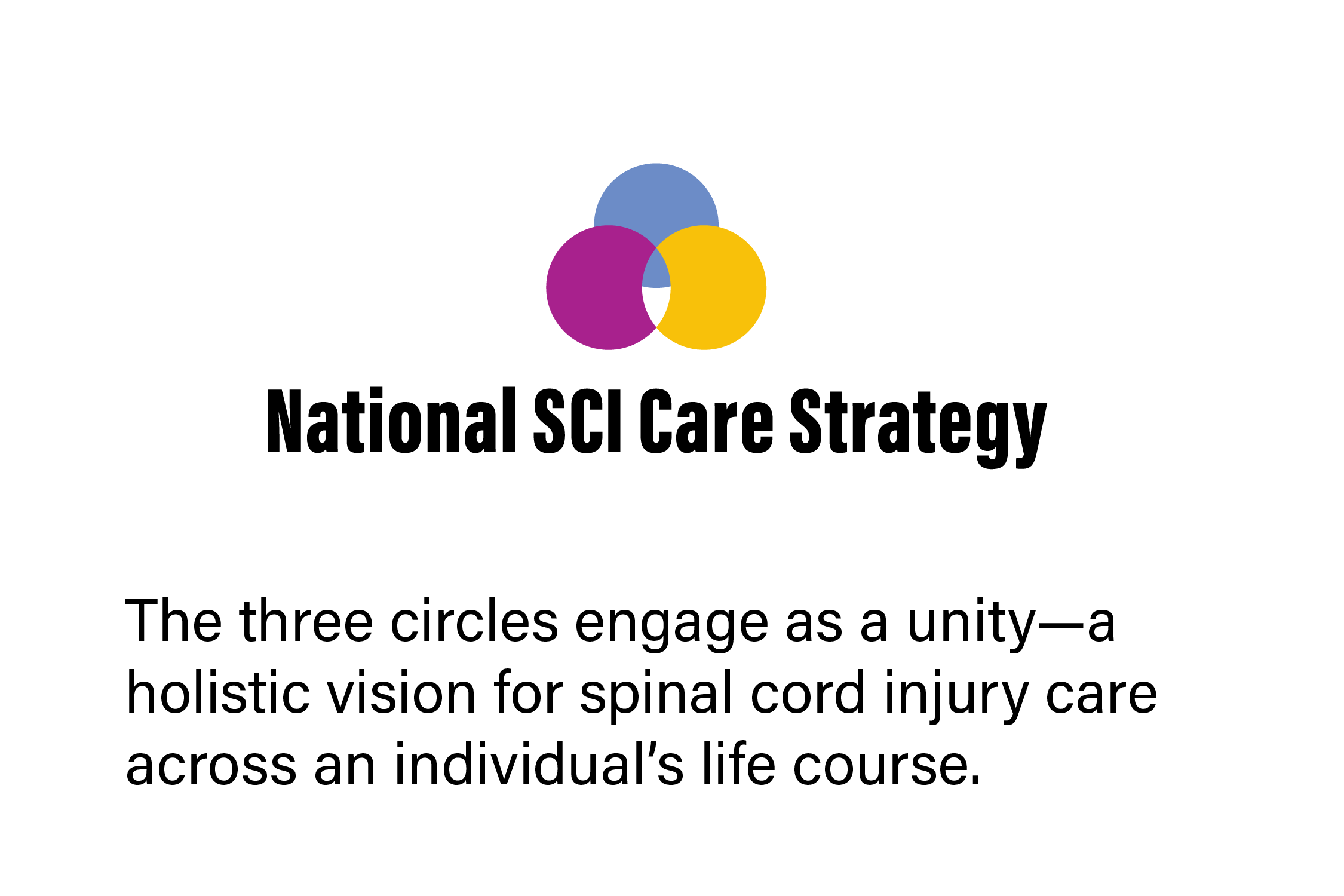
Developed a visual identity rooted in the Praxis brand palette. Selected the brightest hues for joyous, dynamic presence. The logo system: three circles engaging as unity. Two circles representing past and future, overlapping in dialogue with open space to welcome new voices. A third voice entering from above in violet-red blue—encouraging collaboration with imaginative, harmonious expression. The three circles together: a holistic vision for SCI care across an individual's life course.
Created branded communications materials that could travel across contexts—urban research hospitals, rural rehabilitation centres, community support groups. Designed for reach and accessibility.
The strategy had to live beyond a launch. Regular themed digests on Learning Circles enriched with local and national news. Recorded interviews with care champions coast-to-coast. An invitation for people making impact in the SCI community to share their stories for future knowledge-sharing.
![Map of Canada with pink boxes of names, National SCI Care Strategy logo and text "Sharing knowledge to animate the community-led vision of Canada's National SCI Care Strategy."]()
Map of Learning Circles led coast-to-coast by Arushi Raina, Jason Daoust, Heather Gainforth, Taryn Buck, Kristin Musselman, Louise Clément, Barry Munro, Joe Lee and Jamie Milligan.
Praxis Spinal Cord Institute, positioned as a 'networker of networks,' had convened years of consultations. Stakeholders had spoken: researchers, clinicians, patients, caregivers, policymakers, community organizations. What surfaced was a common refrain—"be bold." The time had come to connect Canada's research, practice, and care sectors with a shared vision.
But here was the threshold: how do you translate a co-creation process into real-world change? How do you design for a network that spans from isolated rural communities to major urban research centres, each with radically different access to resources, capacity, and time?
The challenge wasn't just making a strategy document. It was animation—moving the framework from pages into living practice. Making it low-barrier enough that people could actually engage. Making it feel like invitation, not obligation.
The Work
Collaborating with a team of researchers, knowledge translators, people with lived experience, and strategy developers. Regular meetings with the Praxis working groups to understand the vast network they stewarded—clinicians, community champions, regional interest groups, international organizations. Each with different vocabularies, different priorities, different constraints.
The communications approach centered on grassroots storytelling through Learning Circles—knowledge-sharing events that would surface stories of care excellence already happening across Canada. The idea: trusted community champions, people with influence and respect in their regions, sharing what worked so others could adapt it locally.
Developed a visual identity rooted in the Praxis brand palette. Selected the brightest hues for joyous, dynamic presence. The logo system: three circles engaging as unity. Two circles representing past and future, overlapping in dialogue with open space to welcome new voices. A third voice entering from above in violet-red blue—encouraging collaboration with imaginative, harmonious expression. The three circles together: a holistic vision for SCI care across an individual's life course.
Created branded communications materials that could travel across contexts—urban research hospitals, rural rehabilitation centres, community support groups. Designed for reach and accessibility.
The strategy had to live beyond a launch. Regular themed digests on Learning Circles enriched with local and national news. Recorded interviews with care champions coast-to-coast. An invitation for people making impact in the SCI community to share their stories for future knowledge-sharing.
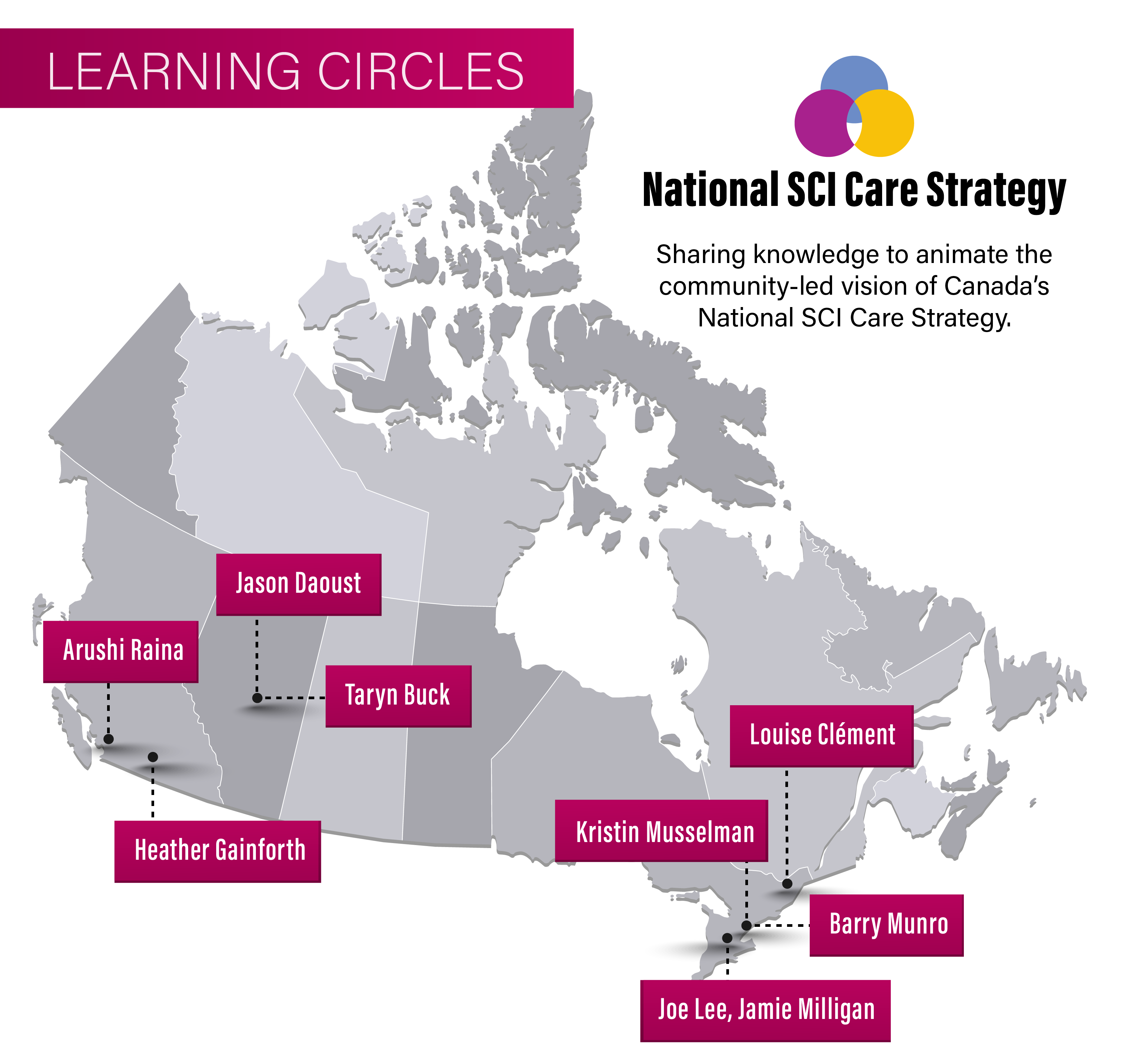
Map of Learning Circles led coast-to-coast by Arushi Raina, Jason Daoust, Heather Gainforth, Taryn Buck, Kristin Musselman, Louise Clément, Barry Munro, Joe Lee and Jamie Milligan.
What Made It Possible
A client (Praxis Spinal Cord Institute) who understood that strategy without animation is just documentation. A team that included researchers Vanessa Noonan (lead) and Christiana Cheng, knowledge translation and communications leads Charlene Yousefi and Joanna Rivera, strategy developers Cense Ltd., marketing communications from Amanda Maxwell, social media from Nandhini Sasikumar.
The recognition that "national" doesn't mean top-down. It means creating conditions for local adaptation. Honouring that rural communities face different barriers than urban ones. That capacity for engagement is a real constraint—if time and energy become obstacles, the strategy does not lift from the page.
Years of prior consultation work that had already built trust and surfaced what mattered. The bold recommendation from stakeholders that Canada needed this. Funding from the Government of Canada that made sustained work possible.
My particular contribution: understanding that branding and communications strategy for a healthcare initiative means designing for dignity and collaboration, not just visibility. Making the visual language joyous. Creating systems that could hold complexity while remaining welcoming.
The outcome: Learning Circles led coast-to-coast by champions across the country. A map of knowledge-sharing that connects regions and practices. Published in Frontiers in Public Health as a community case study on development, communication, dissemination, and evaluation.
But the real measure: a framework that's being animated, not archived. A strategy living in practice, adapted regionally, sustained by the community it serves.
Credits
Branding, Communications Strategy, Graphic Design: Alana McFarlane
Researchers: Vanessa Noonan (Lead), Christiana Cheng
Knowledge Translation, Communications: Charlene Yousefi, Joanna Rivera
Strategy Development: Cense Ltd.
Marketing Communications: Amanda Maxwell
Social Media: Nandhini Sasikumar
Client: Praxis Spinal Cord Institute
Publication
Rivera JMB, Yousefi C, Cheng CL, Norman CD, Legare J, McFarlane A and Noonan VK (2022) Optimizing spinal cord injury care in Canada: Development of a framework for strategy and action. Frontiers in Public Health 10:921926. doi:10.3389/fpubh.2022.921926
A client (Praxis Spinal Cord Institute) who understood that strategy without animation is just documentation. A team that included researchers Vanessa Noonan (lead) and Christiana Cheng, knowledge translation and communications leads Charlene Yousefi and Joanna Rivera, strategy developers Cense Ltd., marketing communications from Amanda Maxwell, social media from Nandhini Sasikumar.
The recognition that "national" doesn't mean top-down. It means creating conditions for local adaptation. Honouring that rural communities face different barriers than urban ones. That capacity for engagement is a real constraint—if time and energy become obstacles, the strategy does not lift from the page.
Years of prior consultation work that had already built trust and surfaced what mattered. The bold recommendation from stakeholders that Canada needed this. Funding from the Government of Canada that made sustained work possible.
My particular contribution: understanding that branding and communications strategy for a healthcare initiative means designing for dignity and collaboration, not just visibility. Making the visual language joyous. Creating systems that could hold complexity while remaining welcoming.
The outcome: Learning Circles led coast-to-coast by champions across the country. A map of knowledge-sharing that connects regions and practices. Published in Frontiers in Public Health as a community case study on development, communication, dissemination, and evaluation.
But the real measure: a framework that's being animated, not archived. A strategy living in practice, adapted regionally, sustained by the community it serves.
Credits
Branding, Communications Strategy, Graphic Design: Alana McFarlane
Researchers: Vanessa Noonan (Lead), Christiana Cheng
Knowledge Translation, Communications: Charlene Yousefi, Joanna Rivera
Strategy Development: Cense Ltd.
Marketing Communications: Amanda Maxwell
Social Media: Nandhini Sasikumar
Client: Praxis Spinal Cord Institute
Publication
Rivera JMB, Yousefi C, Cheng CL, Norman CD, Legare J, McFarlane A and Noonan VK (2022) Optimizing spinal cord injury care in Canada: Development of a framework for strategy and action. Frontiers in Public Health 10:921926. doi:10.3389/fpubh.2022.921926
